

Lovo AI is offline. Lovo, Inc. filed for Chapter 7 bankruptcy in May 2026, in the middle of a voice actors’ lawsuit over how its voices were made (Bloomberg Law). When we checked in October 2026, lovo.ai and the Genny app returned an error page instead of the site. Chapter 7 means the company is being liquidated, not restructured, so if you used Genny you need a new tool.
What Genny users can still do
You can’t sign in or export anything, so treat your projects, generated audio, and custom voices on Lovo as gone. What you can recover depends on what you kept.
Your scripts. If you still have the text, you can regenerate every voiceover with a new provider. Pick the new voice first and re-run everything with it, so one video doesn’t switch narrators halfway through a series.
Your cloned voices. A clone can’t move between providers, but you can rebuild one from the original recordings. Use recordings of a speaker who agreed to be cloned; the lawsuit against Lovo was about exactly that.
Your API integration. If your product called the Genny API, those requests already fail. Replace the endpoint, voice IDs, and audio format settings, then listen to a sample of real outputs before you ship.
What to compare
Most people used Genny to make recorded content: voiceovers for videos, training, ads, and presentations, with a built-in editor. For that job, start with Murf AI, WellSaid Labs, or ElevenLabs, or with Descript or Synthesia if you also want video editing in the same tool.
Cartesia is the right test when your product speaks to users while they wait, such as a voice agent, an app that reads answers aloud, or a phone line. That job needs streamed audio and low latency more than a timeline editor.
The options below cover different jobs; they are not a ranked benchmark. PlayHT, a common Lovo alternative, also shut down; see the PlayHT alternatives guide if you were comparing the two.
Alternatives at a glance
| Product | Evaluate for | Check before choosing |
|---|---|---|
| Cartesia | Speech for voice applications | Model, language, and integration requirements |
| Murf AI | Scripted voiceovers | Editing controls and export rights |
| Speechify | Reading documents aloud | Reading app, studio, or API plan |
| ElevenLabs | Voice generation and dubbing | Model choice and usage limits |
| Resemble AI | Custom synthetic voices | Current TTS plans and deployment options |
| Descript | Transcript-based media editing | Editing workflow and export options |
| Amazon Polly | TTS in AWS applications | Voice engine, region, and supported controls |
| Synthesia | AI presenter videos | Avatar requirements and video exports |
| WellSaid Labs | Business voiceovers | Team workflow and language coverage |
Cartesia
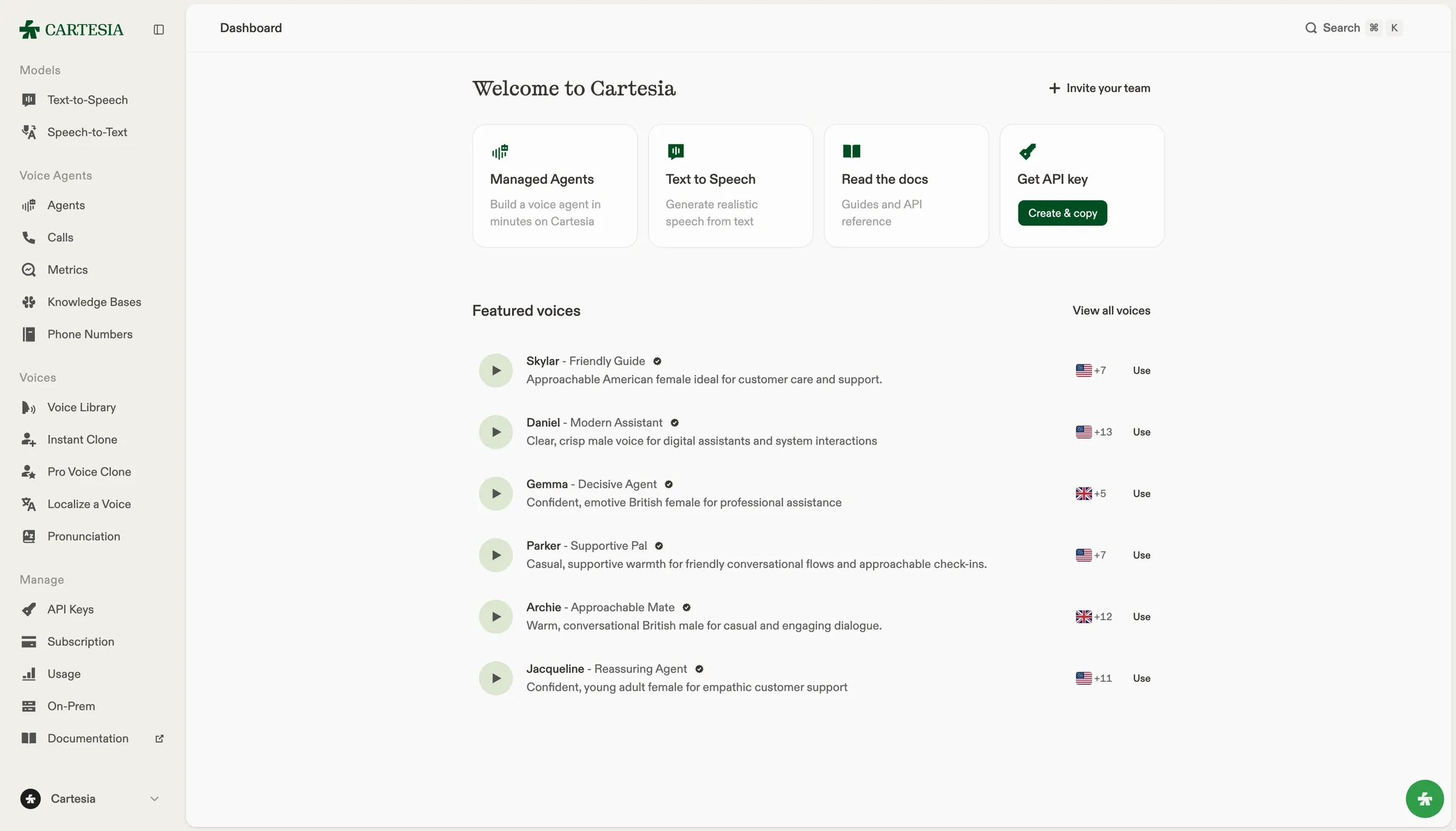
We build Sonic, a text-to-speech model for voice applications. You can stream generated audio, select a voice, or use voice cloning with recordings you have permission to use. Try your own text in the playground before integrating the API.
For a complete voice agent, you also need speech recognition and conversation handling. Ink is our speech-to-text model, and Managed Agents is our voice agent builder. Sonic alone does not listen to callers or decide what to say.
Check language coverage, API requirements, and pricing for the model and plan you intend to use. Measure response time in your application: network travel and playback buffering contribute to what a user hears.
Murf AI
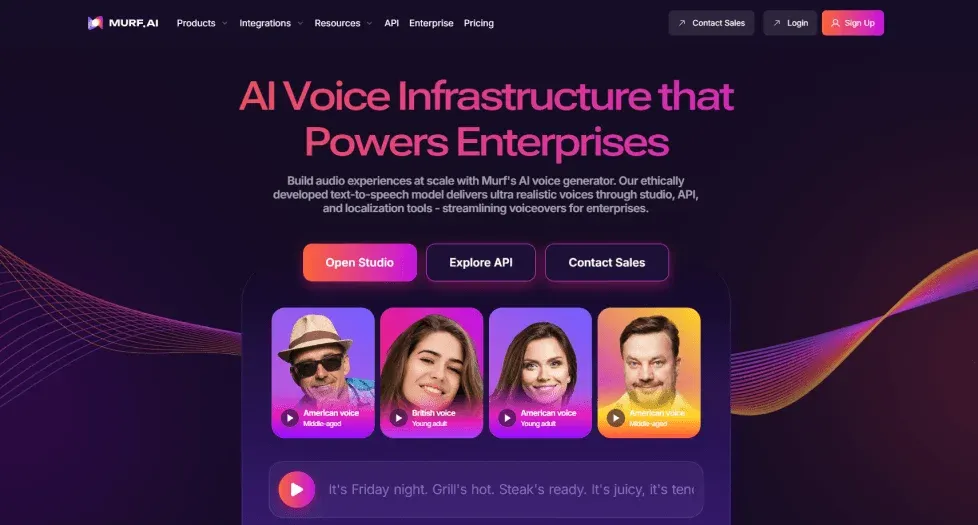
Murf AI has a voiceover editor for working from scripts and matching narration to media. Consider it for training materials and recorded presentations. Test how much editing your script needs, and check whether the plan includes the exports and team access you need.
Speechify
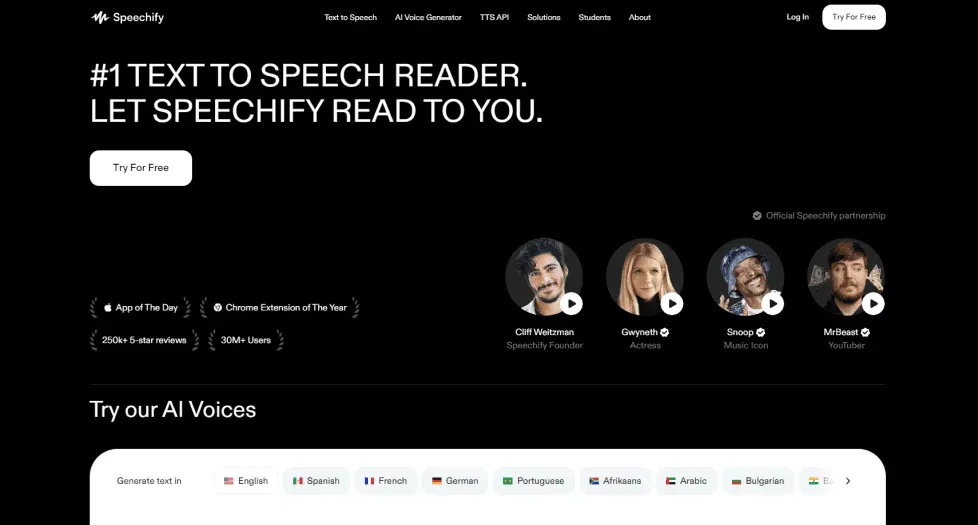
Speechify has reading apps that turn documents and web pages into audio. If your goal is to listen to existing text, start with that workflow. Evaluate its reading, studio, and API products separately; access to one does not tell you what another includes.
ElevenLabs
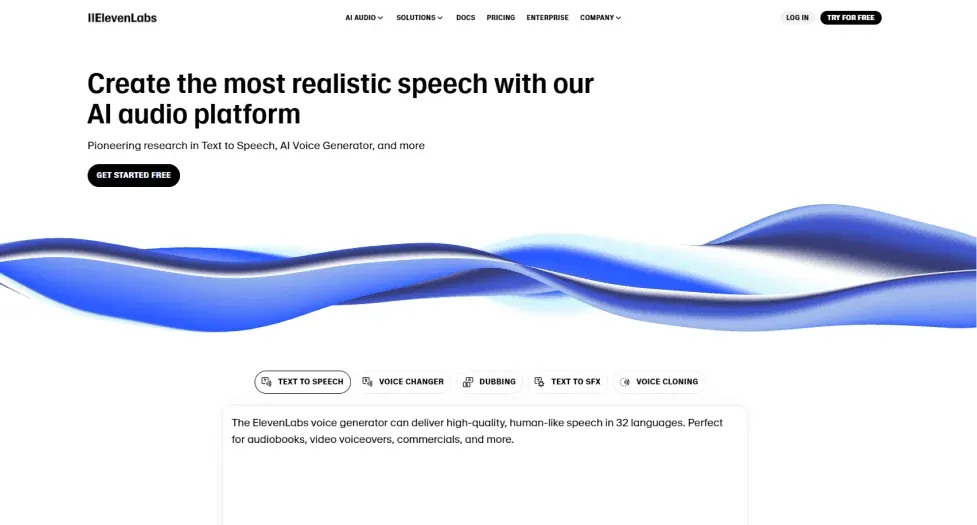
ElevenLabs has text-to-speech, voice cloning, and dubbing tools, as well as products for conversational applications. Compare the specific model and endpoint you would deploy. Test pronunciation and response time with your own scripts rather than treating every model as interchangeable.
Resemble AI
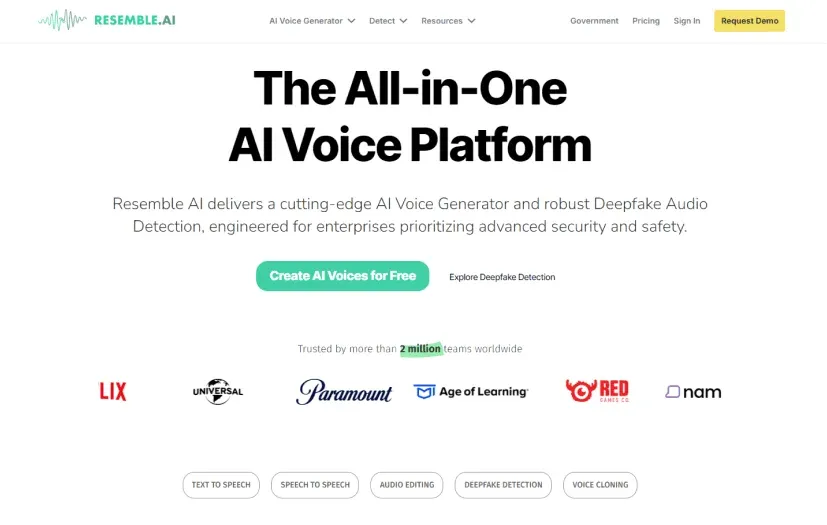
Resemble AI now leads with deepfake detection, but its developer docs still list text-to-speech and voice cloning APIs. Test it with recordings you have permission to use, and compare the resulting voice on text outside the reference sample. Ask which deployment options and usage rights apply to your project.
Descript
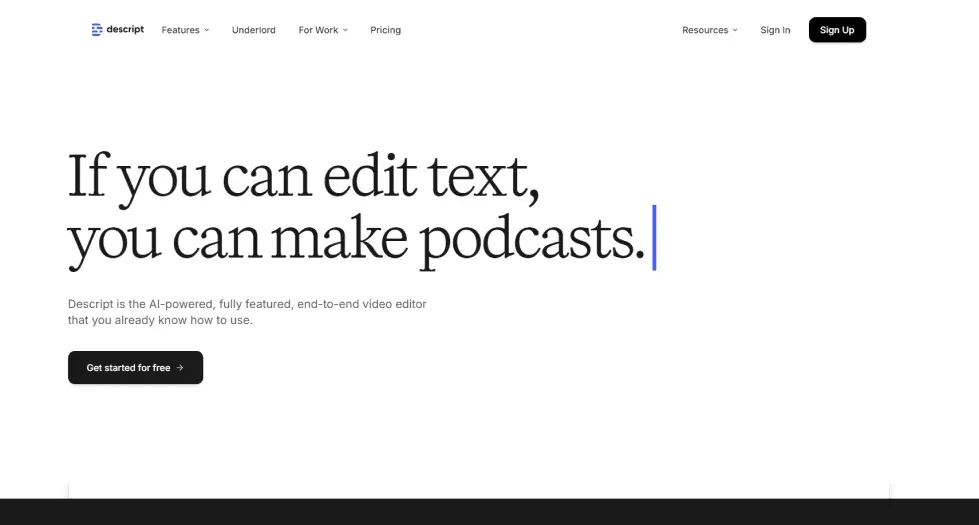
Descript combines transcription with text-based audio and video editing. Consider it when you want to cut recorded material by editing its transcript. A speech API alone will not replace that editor, so test the recording-to-export workflow before switching.
Amazon Polly
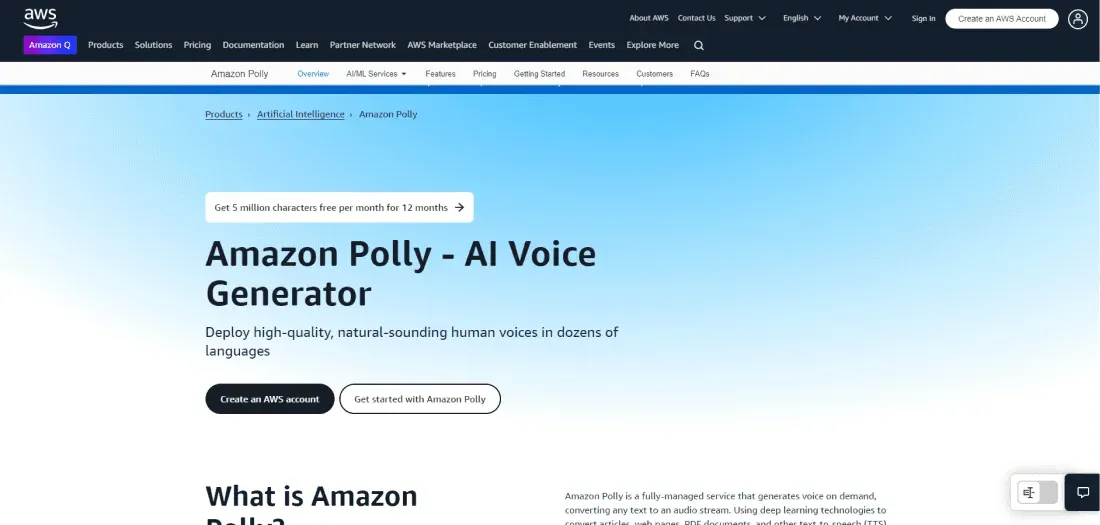
Amazon Polly is AWS’s text-to-speech service. It is worth evaluating if your application already uses AWS identity and billing. Voice engines differ in language coverage and supported controls, so check the engine you plan to deploy rather than the service-wide feature list.
Synthesia
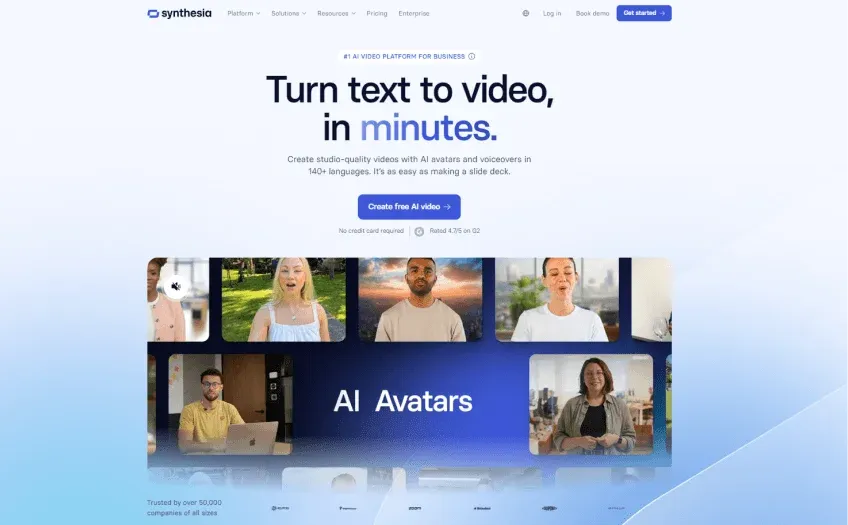
Synthesia creates videos with AI presenters and narration. Evaluate it when the finished output needs a presenter on screen. For audio-only products, check whether a speech API would avoid paying for video features you do not use.
WellSaid Labs
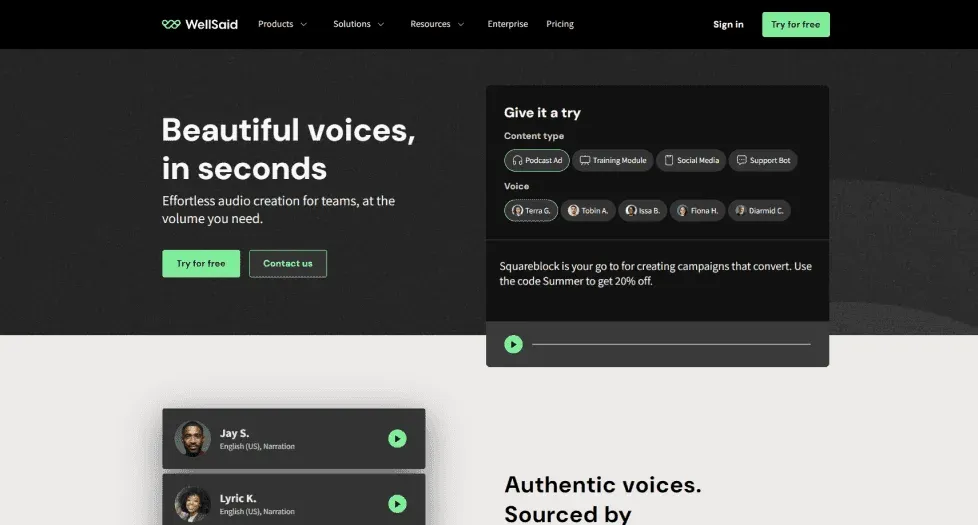
WellSaid Labs focuses on voiceover production for business content, including training and internal communications. Evaluate how your team reviews scripts and handles pronunciation changes. Check language coverage and API access for the plan you intend to use.
Test before you switch
Test a full dialogue with several changes in tone, rather than one polished sentence. Listen for a stable speaker identity and clear pronunciation after revisions. For live use, measure first-audio latency and check that your client can stop playback when a user interrupts.
Compare cost using your expected usage and the features you need. Include retries, regenerated audio, concurrency limits, and commercial rights. A low starting price is not a workload estimate.